COMPLIANT WITH DSEAR 2002
If your business stores, handles or produces flammable liquids, gases or combustible dusts, you have separate legal duties under DSEAR, on top of your general fire risk assessment. Many businesses are surprised to learn the two are not the same thing.
ESI: Fire Safety carries out DSEAR risk assessments for manufacturers, workshops, warehouses and other premises where dangerous substances are present, with clear reports that explain exactly what you need to do and why.
GET A QUOTE
Send us the basics. We will review the project stage, likely scope and next step.
Professional memberships, registrations and industry credentials




The basics
DSEAR stands for the Dangerous Substances and Explosive Atmospheres Regulations 2002. It is a separate set of legal duties that sit alongside your general fire risk assessment, and it applies wherever flammable or explosive substances are used, stored or produced.
A DSEAR risk assessment looks specifically at those substances: what they are, how much of them you have, where an explosive atmosphere could form, what could ignite it, and what needs to be in place to prevent or control that risk.
It is easy to assume a general fire risk assessment already covers this. In most cases it does not go into anywhere near enough detail, which is exactly why DSEAR sets out its own separate requirements.
DSEAR also asks you to think about the substances differently to how you might for general fire safety. A small quantity of a highly flammable solvent in a poorly ventilated room can present a greater risk than a much larger quantity stored and handled correctly, so the assessment has to look at how substances are actually used day to day, not just how much of them you have on the shelf.
Talk it through with us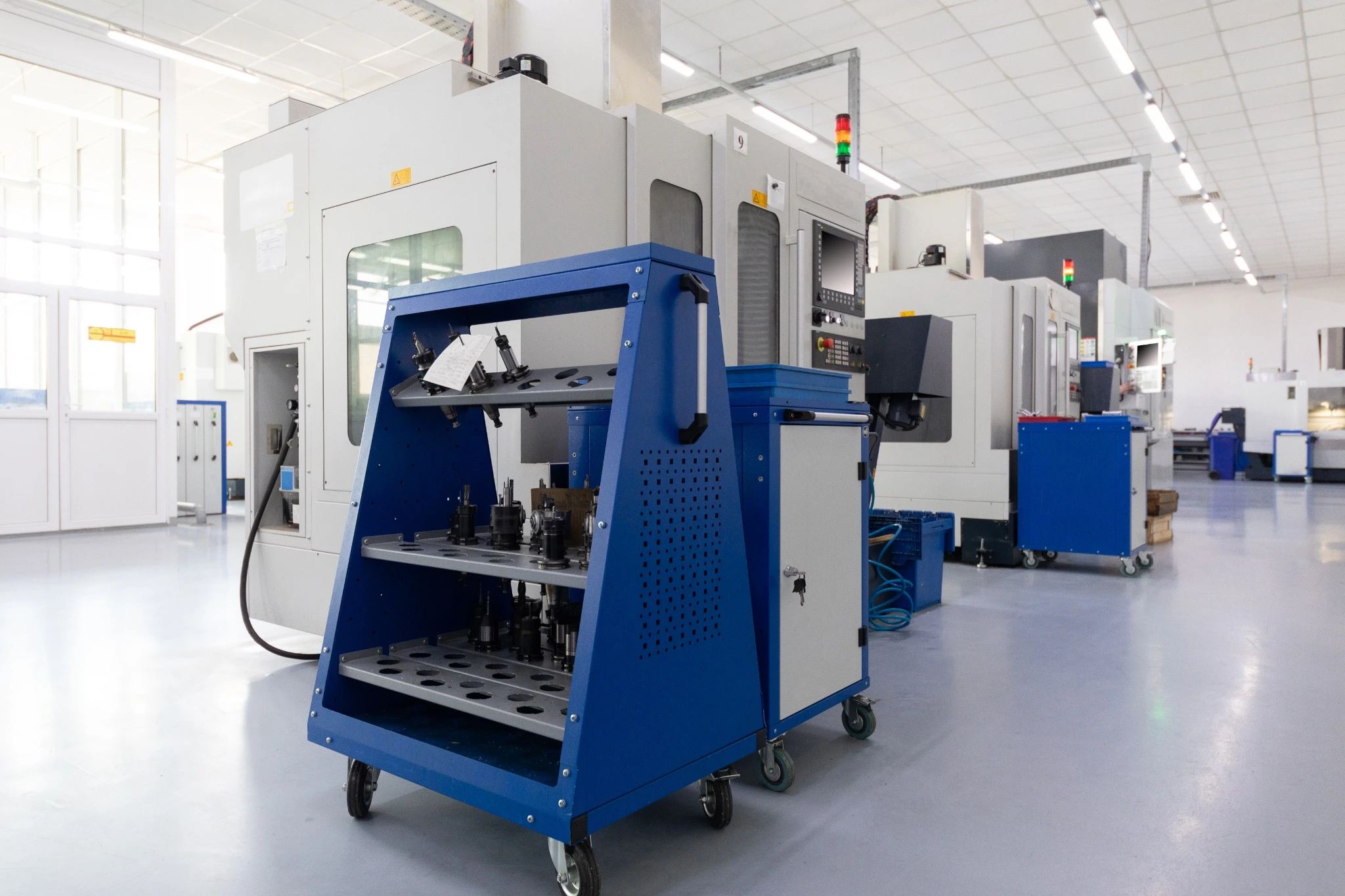
DSEAR considers the substances, processes, equipment and working conditions across the site.
Who it applies to
If your work involves flammable liquids or gases, or produces combustible dust, you almost certainly have duties under DSEAR, whatever the size of your business. This applies whether the substance is central to what you do, such as running a spray booth, or incidental, such as storing fuel for site vehicles.
It is also worth remembering that DSEAR does not just apply to production areas. Stores, plant rooms, loading bays and even office premises with a fuel store for a generator or forklift can all fall within scope, so it is worth having the whole site looked at rather than assuming only the main work area is relevant.
Common examples include:
Not sure if DSEAR applies to you?
Tell us what you work with and we will let you know.
WHO IS RESPONSIBLE
As with general fire safety, the duty under DSEAR falls on the employer, or whoever has control of the premises and the work activities carried out there. This is often the same Responsible Person who arranges your fire risk assessment, though the two roles do not have to be held by the same person.
Where dangerous substances are present, the Responsible Person has to assess the risks, put suitable control measures in place, classify any hazardous areas, and make sure staff are trained to work safely around those substances. Bringing in ESI to carry out the assessment does not transfer that legal responsibility. We give you clear findings and recommendations, but managing the risk day to day remains with you.
On larger or multi-tenant sites, more than one duty holder can be involved, particularly where a landlord controls shared plant or storage areas used by several occupiers. Where that is the case, we will flag it clearly in the report so it is obvious who is responsible for acting on each finding.
If you are unsure who holds the duty on a shared or multi-tenant site, ESI can help clarify the practical responsibilities during the assessment.
HAZARDOUS AREA ZONING
A thorough DSEAR risk assessment identifies every dangerous substance on site, how much is present, and how it is stored, handled and used. From there, it looks at where an explosive atmosphere could realistically form, and classifies those areas into hazardous zones.
It also considers ignition sources, such as electrical equipment, static electricity, hot work and smoking, and sets out the control measures needed, from ventilation and equipment selection through to emergency procedures if something does go wrong.
Where zoning is needed, we will produce a plan showing each classified area so it is clear at a glance which parts of your site fall into scope, and what that means in practice for equipment, maintenance work and day to day housekeeping.
Ask about zoning for your siteSCOPE OF WORK
Exactly what we look at depends on your site, but a typical assessment includes the following.
Dangerous substances present
What they are, and how much is on site
Storage arrangements
How substances are stored and segregated
Hazardous area classification
Zoning for gases, vapours and dusts
Sources of ignition
Electrical equipment, static, hot work and smoking
Ventilation
Natural and mechanical, and how it affects risk
Plant and equipment
Suitability for use in hazardous areas
Control measures
What is already in place, and what else is needed
Emergency arrangements
How a release or ignition would be managed
Staff training
Whether people understand the risks they work with
Record keeping
Whether documentation reflects what is really happening
The process
We keep the process straightforward, from understanding the substances and activities on site through to the assessment, hazardous-area classification and a clear prioritised action plan.
01
We talk through the substances you work with and agree the right scope.
02
We look at safety data sheets, plans and any previous assessments.
03
We visit and examine storage, processes and equipment in detail.
04
We classify hazardous areas and assess the risks against DSEAR.
05
Findings written up clearly, with recommendations set out in order of priority.
06
We talk you through the report in plain English, start to finish.
Ready to get started?
Get a quote in a couple of minutes, no obligation.
The deliverable
At the end of the process, you will get a clearly structured written report that includes:
A description of the premises and processes
A schedule of dangerous substances present
Hazardous area classification, where relevant
Existing measures that are already satisfactory
Deficiencies we have identified
A prioritised action plan
Practical, proportionate recommendations
Information on when to review the assessment
TAILORED TO YOUR INDUSTRY
The substances, processes and risks vary a great deal by industry, so we tailor each assessment to how your site actually operates.
AUTOMOTIVE
Spray booths, solvents and paint storage, common ignition risks.
View car body repair DSEARMANUFACTURING
Process chemicals, fuel stores and production equipment.
Discuss your siteCONSTRUCTION
Fuel, gas cylinders and temporary storage arrangements.
Discuss your siteCOMBUSTIBLE DUST
Combustible dust from cutting, sanding and processing.
Discuss your siteWAREHOUSING
Bulk storage of flammable goods and materials.
Discuss your siteWASTE & RECYCLING
Landfill gas, biogas and processing equipment.
Discuss your siteCHEMICALS
Bulk and drummed chemical stores, bunding and segregation.
Discuss your siteFUEL STORAGE
Above and below ground tanks, dispensing and forecourts.
Discuss your siteLABORATORY
Flammable solvents, reagents and fume cupboard extraction.
Discuss your sitePRINT & PACKAGING
Solvent-based inks, adhesives and cleaning agents.
Discuss your siteFOOD & DRINK
Flour and sugar dust, and alcohol or spirit production.
Discuss your sitePHARMA & COSMETICS
Solvents and process chemicals used in manufacture.
Discuss your siteBATTERY CHARGING
Hydrogen build-up from industrial battery charging.
Discuss your siteFORECOURT
Fuel dispensing, tank storage and retail forecourt layouts.
Discuss your siteCOMPOSITES
GRP layup, resin mixing and solvent-based processes.
Discuss your siteDon't see your industry listed?
We assess sites across almost every sector. Just ask.
DSEAR OR FIRE RISK ASSESSMENT?
DANGEROUS SUBSTANCES
A DSEAR risk assessment is much narrower but far more detailed, focused specifically on dangerous substances and the explosive atmospheres they can create.
GENERAL FIRE SAFETY
A general fire risk assessment looks at fire safety across your whole premises: escape routes, alarms, general fire precautions and how the building is managed.
Most businesses that need a DSEAR assessment also need a general fire risk assessment, since the two cover different legal duties. We are happy to carry out both together where that makes sense for your site.
Carrying them out together also tends to be more efficient for you. We can align the site visit, cross-reference findings between the two reports, and make sure recommendations from one do not conflict with the other, which can happen if they are commissioned separately from different providers.

Founder & Principal Consultant
ABOUT ESI
We are a small, specialist, consultancy led team, overseen by Jamie Morgan, who is listed on the Institute of Fire Safety Managers National Fire Risk Assessors Register and holds Level 4 and Level 6 qualifications in fire risk assessment.
DSEAR work in particular benefits from a background that spans both fire and electrical safety. Understanding how plant, process equipment and electrical installations interact with hazardous substances is central to getting a DSEAR assessment right, not just knowing the regulations on paper.
We take time to understand how your site actually operates, explain findings in plain English rather than technical shorthand, and keep recommendations proportionate rather than exhaustive for the sake of it. As we put it, there are no short-cuts in safety, but that does not mean creating unnecessary work either.
"There are no short-cuts in safety, but that does not mean creating unnecessary work either."
NFRAR
Registered fire risk assessor.
Qualifications
Level 4 and Level 6 fire risk assessment qualifications.
IFSM
Professional membership and ongoing industry engagement.
Urgent DSEAR support
These need a fast response. Call our team now for urgent help with a DSEAR risk assessment or fire safety support.
Common questions
Get started
To put together an accurate quote, it helps if you can let us know a bit about your site and the substances involved.
Do not worry if you cannot answer everything, we would rather have a conversation and work it out together.
Tell us a little about the premises and what has prompted the enquiry.