Car Body Repair Shops
For car body repair shops, accident repair centres and automotive refinishing workplaces using paints, thinners, solvents and other flammable products.
ESI reviews how dangerous substances are stored, mixed, sprayed, cleaned up and used around ignition sources, then gives you a clear assessment of the risks, any hazardous areas and the actions that genuinely need attention.
GET A QUOTE
A few details are enough to start. We can clarify the technical information afterwards.
Professional memberships, registrations and industry credentials




WHY DSEAR MATTERS IN A BODYSHOP
DSEAR is concerned with safety risks from dangerous substances, including fire and explosion. In a bodyshop, that can mean looking beyond the spray booth itself to paint mixing, storage, cleaning, waste, hot work and other areas where flammable substances and ignition sources may come together.
Your general fire risk assessment is not a substitute for DSEAR.
The two assessments can support each other, but DSEAR looks specifically at dangerous substances, explosive atmospheres, ignition sources and the controls needed around them.
WHERE BODYSHOP DSEAR RISKS OFTEN APPEAR
A useful bodyshop assessment follows the substances through the site. Where are they stored? Where are they opened and mixed? Where can vapour or mist be released? What could ignite it? The answer can be different in each part of the workshop.
01 · PAINT MIXING
Flammable paints, hardeners, thinners and cleaning products may be opened, measured and mixed before spraying.
02 · SPRAYING
Spraying can release flammable vapour or mist, so the process, extraction, equipment and surrounding areas need to be considered together.
03 · STORAGE
The assessment considers what is stored, how much is present, how containers are managed and whether storage arrangements are appropriate.
04 · CLEANING
Thinners and cleaning solvents can create releases away from the main spraying operation if the cleaning process is not considered separately.
05 · IGNITION
Welding, cutting, grinding, unsuitable electrical equipment, static discharge and other ignition sources can change the risk picture around flammable atmospheres.
06 · WIDER WORKSHOP
Vehicle fuels, gas cylinders and other workshop processes may need to be considered where they interact with the body repair and refinishing work.
DSEAR AND COSHH
Bodyshops often already have COSHH information for paints and solvents. That is important, but it does not answer every DSEAR question.
COSHH
COSHH focuses on health risks from exposure to hazardous substances and the controls needed to protect workers.
Exposure to hazardous substances
Health effects and exposure control
Respiratory and skin protection where required
Health surveillance where applicable
DSEAR
DSEAR focuses on the safety risks created by dangerous substances, including where a flammable atmosphere could form and what might ignite it.
Flammable liquids, vapours, mists and gases
Ignition sources and control measures
Hazardous-area classification where required
Emergency arrangements and staff information
The same paint or solvent can therefore be relevant to both regulations for different reasons. ESI's DSEAR work focuses on the fire and explosion safety side of that picture.
WHAT ESI EXAMINES
The final scope depends on the site and substances involved, but a typical assessment considers the following areas.
01
What paints, thinners, solvents, fuels, gases and other relevant products are present, including available safety data.
02
How substances are stored, transferred, segregated and managed across the site.
03
Where products are opened, mixed or decanted and what controls are in place around those activities.
04
Spray booths, spray rooms and other refinishing activities where vapours or mists may be released.
05
How ventilation affects the likelihood and extent of a flammable atmosphere around relevant processes.
06
Electrical equipment, hot work, static, smoking and other sources that could ignite a flammable atmosphere.
07
Whether areas need classification because an explosive atmosphere could occur, and what that means in practice.
08
Whether relevant plant and equipment are appropriate for the areas and processes in which they are used.
09
Solvent cleaning, contaminated materials and other activities that may create releases outside the main spraying process.
10
How releases, fires or other incidents involving dangerous substances would be managed.
11
Whether people understand the dangerous-substance risks and the controls relevant to their work.
12
Whether existing DSEAR information still reflects the substances, layout, equipment and processes actually in use.
Illustrative layout only. Actual hazardous-area classification depends on the substances, process, release sources, ventilation and site conditions.
HAZARDOUS-AREA CLASSIFICATION
DSEAR requires workplaces to identify and classify areas where explosive atmospheres may occur. For a bodyshop, that assessment can involve spray, mixing, cleaning and storage activities depending on the products and processes in use.
The purpose is not to label the whole workshop as hazardous. It is to understand where a flammable atmosphere could realistically occur, how likely that is, and how ignition sources should be controlled in those areas.
Where flammable vapour, mist or gas could enter the workplace atmosphere.
How extraction and air movement affect the likelihood and extent of the hazard.
What electrical, mechanical, static or hot-work sources need to be considered.
A clear record of classified areas where classification is required.
THE ASSESSMENT PROCESS
The process follows the same DSEAR structure already established across the ESI service pages, but the evidence and site review are tailored to body repair and refinishing activities.
STEP 01
We talk through the site, activities, substances and what has prompted the enquiry.
STEP 02
We review safety data sheets, plans, existing assessments and other relevant information you have.
STEP 03
We examine storage, mixing, spraying, cleaning, workshop activities and relevant equipment.
STEP 04
We assess the dangerous-substance risks and classify hazardous areas where this is required.
STEP 05
Findings are set out clearly, with practical recommendations arranged by priority.
STEP 06
We help you understand what the findings mean for the site and what should happen next.
Ready to get started?
Send us the basics and we will help you scope the right assessment.
WHAT YOU RECEIVE
The report should make it clear what was assessed, where the material risks are and what you need to do about them without burying the useful information inside technical language.
A clear record of the site and activities considered.
The relevant substances and how they are used or stored.
Included where the assessment shows classification is required.
What is already satisfactory and should be maintained.
Where the current arrangements need attention.
Practical recommendations with a clear order of importance.

SAMPLE ONLY. Final content depends on the actual site, substances and assessment findings.
HELP US SCOPE IT PROPERLY
You do not need to build a perfect technical file before contacting ESI. Start with what you know. The following information can simply make the initial scoping quicker.
Paint systems, thinners, cleaning solvents, fuels, gases and other relevant products.
Current SDS information for the main products used in the workshop.
A plan, sketch or existing drawing showing spray, mixing, storage and repair areas.
Any previous DSEAR, fire risk or COSHH documentation relevant to the site.
Details you already hold for booths, rooms, extraction or relevant plant.
New products, layout changes, replacement plant or a new spray or mixing process.
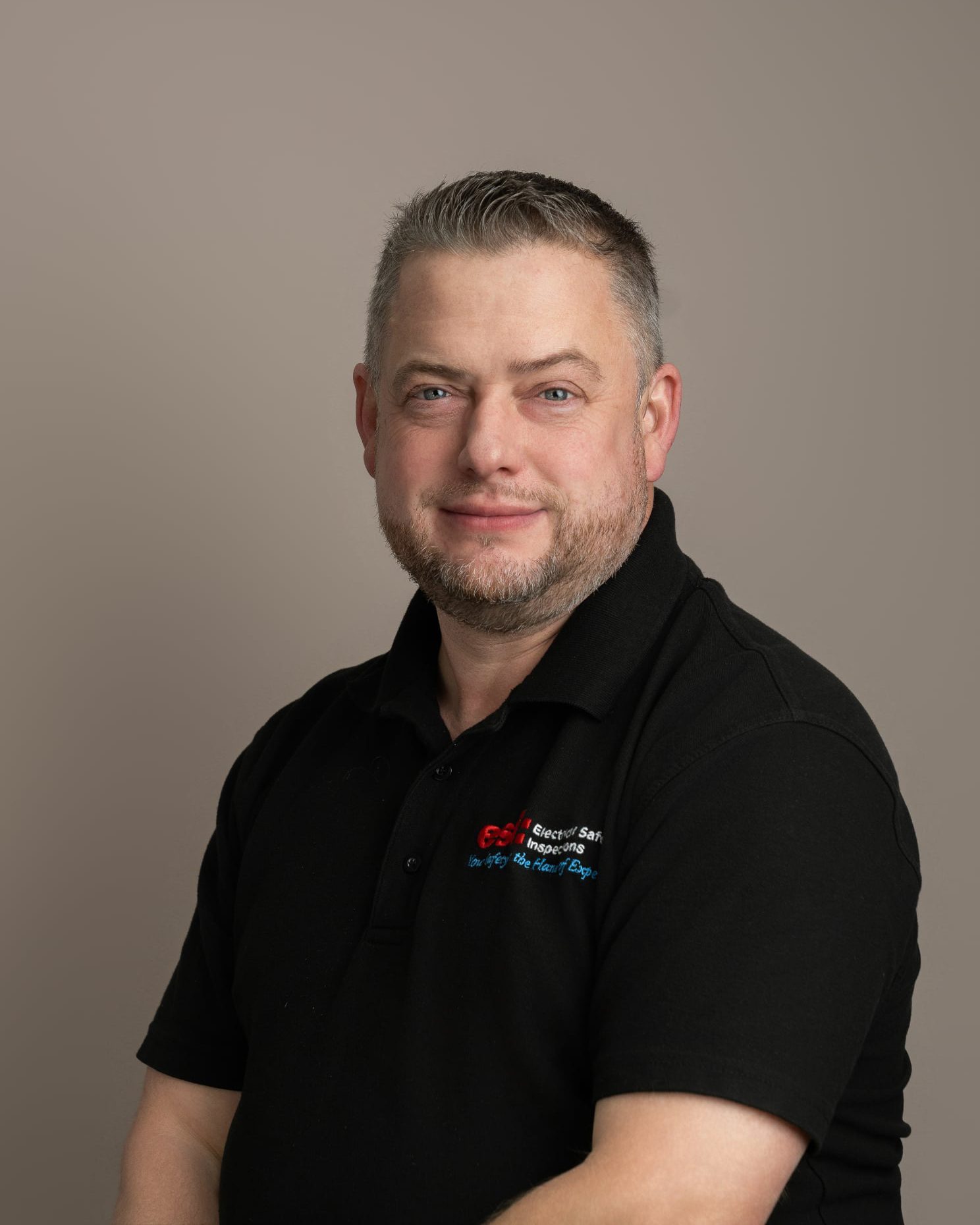
Founder & Principal Consultant
WHY ESI?
DSEAR work benefits from understanding how dangerous substances, plant, process equipment and electrical installations interact. ESI looks at the way your site actually operates, rather than treating the assessment as a paperwork exercise.
Findings are explained in plain English, with proportionate recommendations focused on the risks that genuinely need attention.
"No short cuts in safety, but no unnecessary work either."
NFRAR
Registered fire risk assessor.
Qualifications
Level 4 and Level 6 fire risk assessment qualifications.
IFSM
Professional membership and ongoing industry engagement.
This page is specifically for car body repair shops and automotive refinishing businesses. For manufacturing, storage, workshops and other workplaces involving dangerous substances, visit the main DSEAR Risk Assessments page.
BODYSHOP DSEAR FAQS
Straightforward answers about DSEAR, COSHH, spray processes, hazardous areas and what ESI needs to scope an assessment.
READY TO GET CLARITY ON YOUR BODYSHOP?
You do not need to know the hazardous zones or arrive with every technical document. Tell ESI about the workshop, the main processes and the substances involved, and we can scope the appropriate DSEAR assessment from there.
Tell us about your car body repair site and what has prompted the enquiry.